History Of Bela Bela
Get to know how it all started, what do we take bride in.
About - Us
Tourism Destination of Choice in Limpopo
[ OUR HISTORY ]
Long before the mineral waters at Bela-Bela were used therapeutically – the curative waters have often been described as nature’s gift to humankind – they were discovered by the Batswana in the 1800s and named Bela-Bela, meaning “boiling-boiling”.
With the wealth of inexpensive accommodation on offer as well as several timeshare facilities to choose from, Bela-Bela is becoming an increasingly popular destination.
Offering fun for the whole family and a respite from the pressures of day-to-day living, Bela-Bela is perfect for the weekend or even a one-day getaway.
The town, formerly known as “Warmbaths”, owes its origins to the hot mineral springs that bubble out of the earth at about 22,000 l/hr at a temperature of approximately 53 °C. Said water is rich in minerals such as sodium chloride, calcium carbonate and other salts, and is has curative properties – restoring sanity and a sense of wellbeing to all who holiday in Bela-Bela.
The pleasantly mild climate during the winter months and an average of 286 sunny days every year add to the popularity of the destination. The town is just over an hour's drive from Gauteng and lies on the Spingbok Flats on the highway to the north. Bela-Bela is also a gateway to the southern Waterberg and Thabazimbi
Bela-Bela serves a thriving tourism and agricultural region. It has some well-stocked reserves in the area. Most of the resorts offer excellent conference, sport, accommodation, recreation and restaurant facilities. Some of the reserves boast the 'Big Five' and other savannah species against a backdrop of scenic Waterberg countryside. A visit to Bela-Bela provides a unique and invigorating family holiday in the heart of the Waterberg.
Naming and Foundation
Bela-Bela is Northern-Sotho for "Boiling-Boiling" and the name of the town is synonymous with the town's world famous hot water springs, which were discovered in the 's. The town was previously also known by the name of Warmbaths or Warmbad.
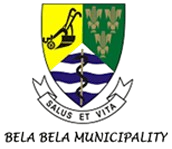
Our Logo
The emblem of Bela-Bela Local Municipality is rich in symbolism that reflects the region’s identity, priorities, and heritage. Here's a breakdown of what it contains and represents:
Visual Elements and Their Meanings
1. Top Left (Yellow background with a black plough)
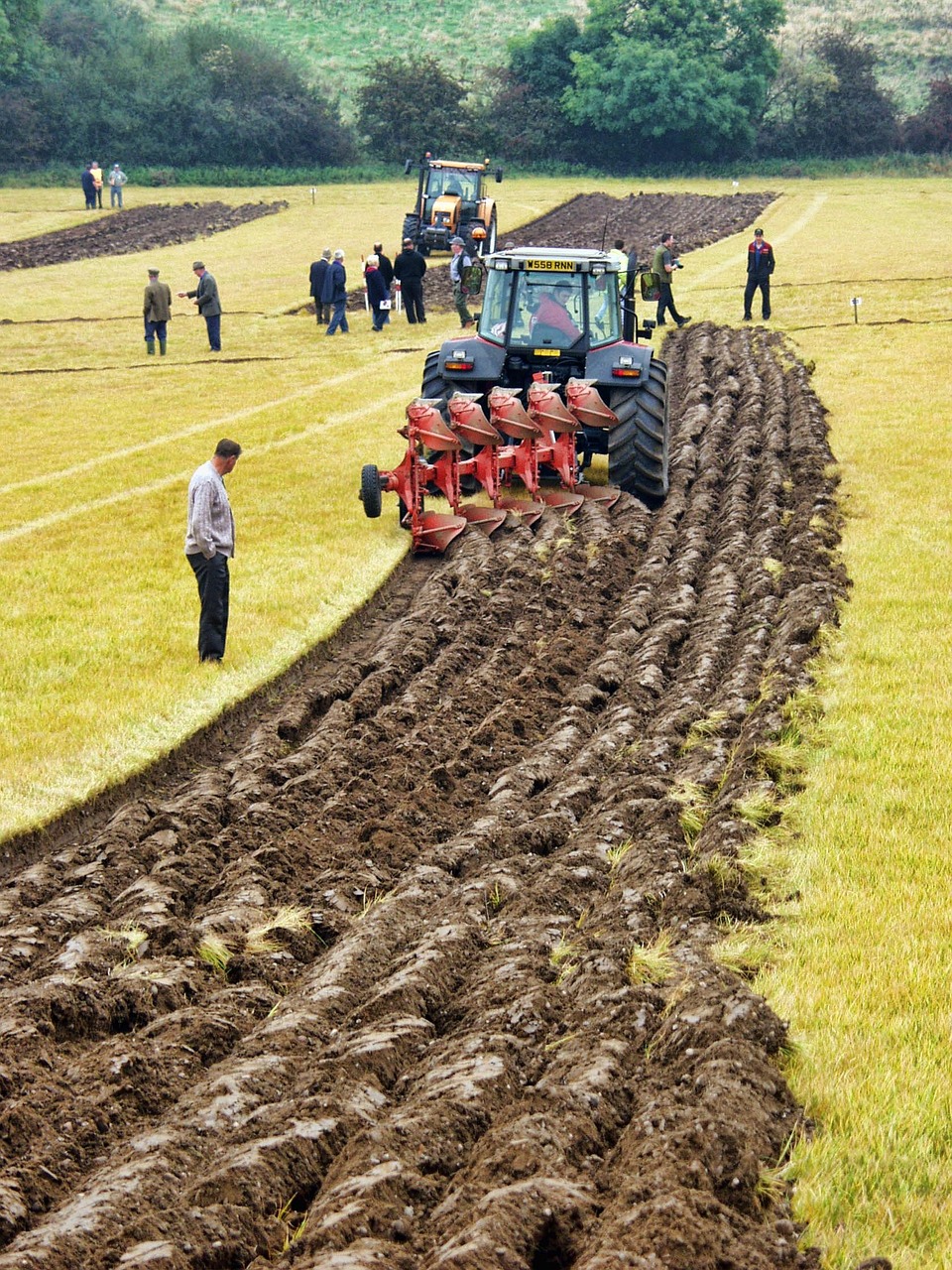
Symbolizes agriculture, representing the municipality’s strong agricultural base and its role as a food-producing region.
2. Top Right (Green background with four corn cobs)
Reinforces the importance of farming and food security, with maize being a staple crop in the area.
3. Bottom Section (Blue and white wavy lines with a black rod and snake)
The blue and white waves represent water, likely referring to the hot springs and natural water resources that Bela-Bela is famous for.
The rod and snake (a caduceus) is a traditional symbol of health and medicine, highlighting the town’s reputation as a wellness destination.
4. Banner with “SALUS ET VITA”
This Latin phrase means “Health and Life”, aligning with the town’s identity as a place of healing, vitality, and natural wellness.
Overall Representation
The emblem as a whole reflects Bela-Bela’s:
- Agricultural strength
- Natural resources, especially water
- Health and wellness tourism
- Commitment to community well-being
We have More to share with you
ADDRESS LIST
Municipal Offices, Chris Hani Drive, BELA-BELA, 0480
24°53"06.33"S 28°17"28.70"E
014 736 8000
 Facebook
 Tiktok
Visitors
© Copyright 2026 Bela-Bela Municipality All Rights Reserved