Agriculture
Explore the world of agriculture, from sustainable practices to innovative technologies.
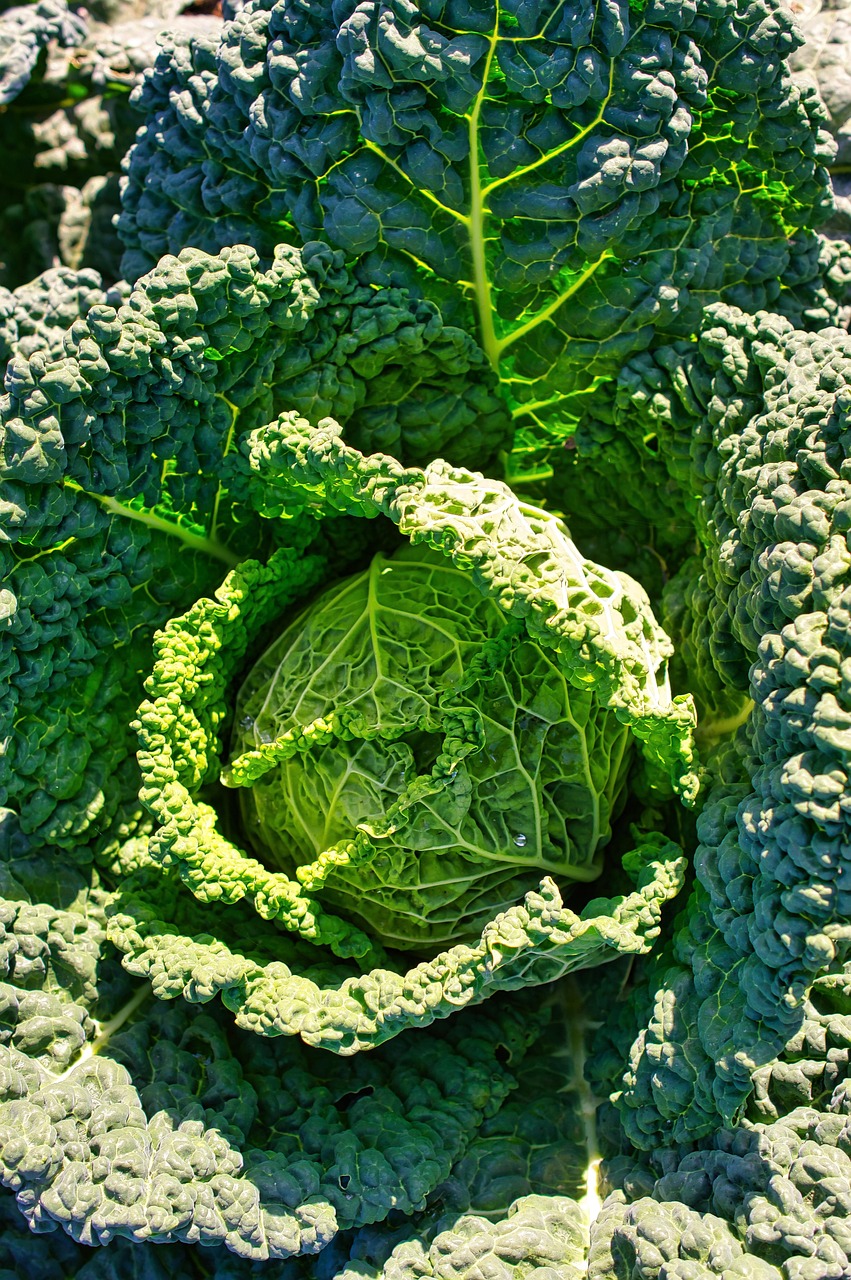
The physical conditions comprise of temperatures between 20-29° C, with the average rainfall between 520-650 mm per annum. There are black and red clay soils of medium to high potential in the Springbok flats. Sandy, red soils and wetlands cover the rest of the area. Vegetable crops include the following: Squash butternut,Onions, Watermelons, Cabbage assorted, Sweet Corn, Pumpkin Grey, Pumpkin White, Beetroot, Carrots, and Peppers. Fruit types include the following: Grapes,Citrus, and Peaches. Other crops include: Maize, Cotton, Millet, Tobacco, Lucerne, Cowpeas, Groundnuts, Wheat, Jugebeans, Chinabeans and Sunflower.
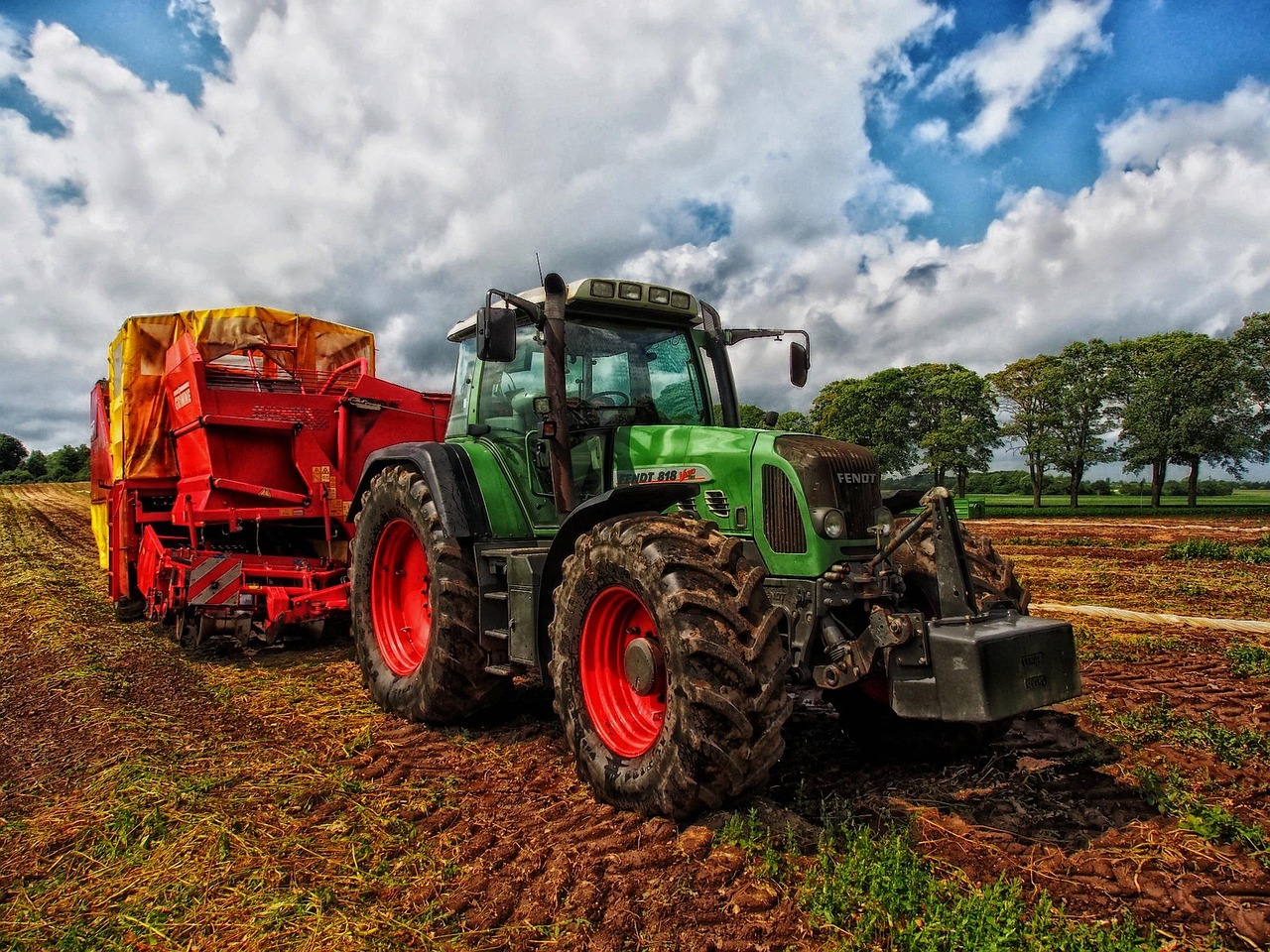
Production systems Due to the various crops produced, production systems vary widely. Although the trend is changing the whole industry is still characterized by a high unskilled labour input and a serious lack of middle management capacity. In the commercial estate farming the competitiveness of commercial production will be enhanced through appropriate skills development programmes at all levels and through infrastructure development. Access to water for irrigation is particularly important, but feeder roads to production areas and arterial roads to markets are just as important.
Livestock
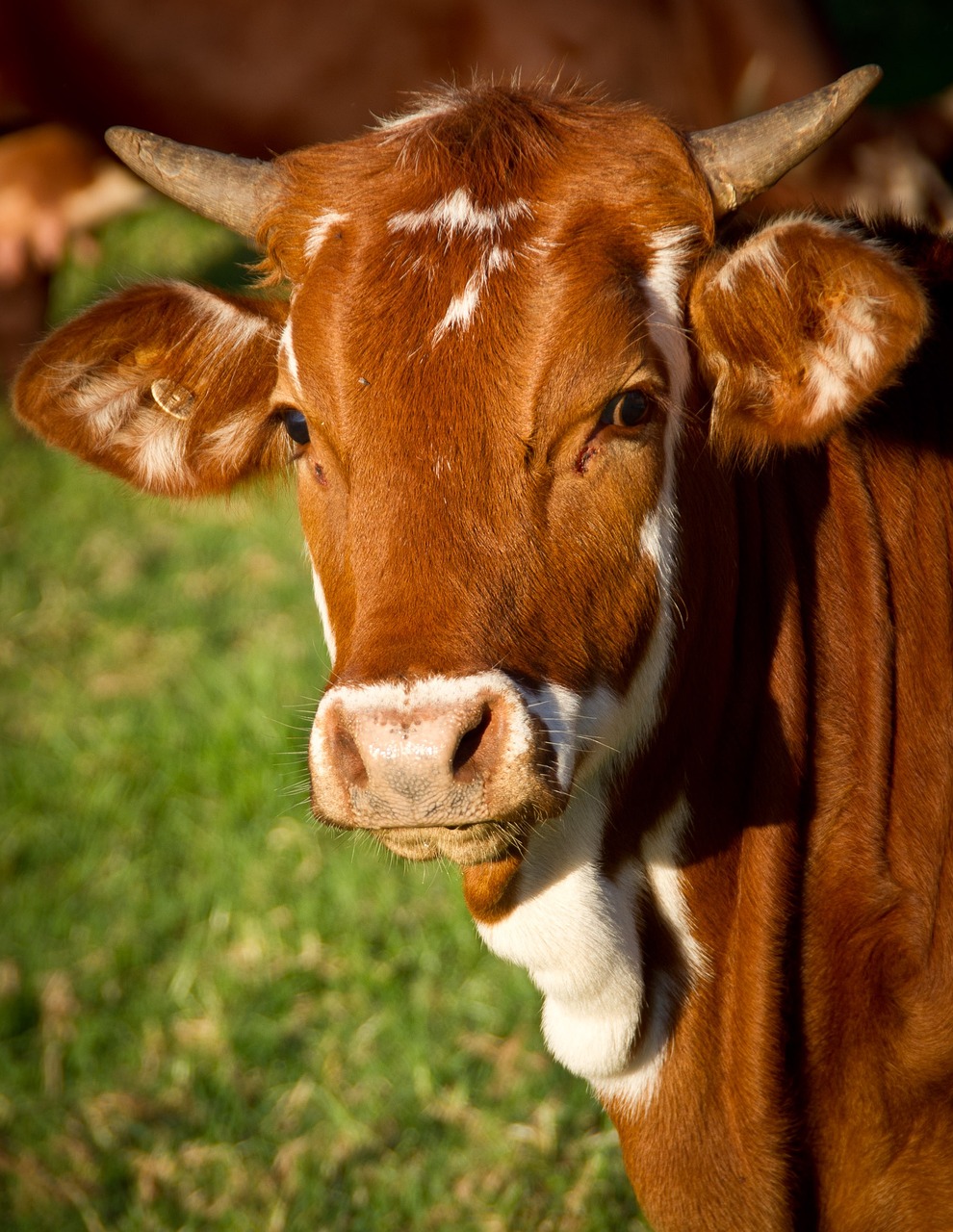
In terms of the livestock in Bela-Bela municipality there are three livestock projects occupying 19,841 hectares of land. As it stands currently, agriculture is gradually declining due to changing from traditional farming and crop planting to game farming. This has left a large number of people without jobs. There are however still agricultural activities taking place within Bela-Bela 31 Municipal area.

These farms are mostly white owned. Blacks are still the main source of labour for these farms. There is a need for transformation and a number of opportunities exist in this regard. Farm workers can acquire ownership of land and work for themselves or with the white farmers.
Opportunities identified in the Agricultural Sector include the following:
- Acquire land for emerging farmers
- Mentoring of black emerging farmers by experienced commercial farmers
- SMME development within the agricultural sector
- Job opportunities
- Market opportunities
- Sufficient agricultural land (LRAD)
- Emerging Farmer development programmes - through training and infrastructure development (CASP)
- Training the Trainer programmes
- Fresh produce markets
- Agri-processing
- Learnerships (youth)
 Facebook
 Tiktok